
Key Takeaways
- Identify mould growth before choosing a cleaning method
- Remove loose dirt before treating mould stains
- Use suitable mould removal products for concrete
- Avoid excessive pressure when using a pressure washer
- Test cleaning solutions on a small area first
- Protect nearby plants from cleaning chemicals
- Allow the driveway to dry completely after cleaning
- Improve drainage to reduce future mould growth
Mould patches can make concrete driveways look dirty, unattractive and unsafe. Damp, shaded areas are ideal conditions for mould growth, especially when water collects on the surface due to poor drainage. Concrete driveways are particularly prone to these stains during wet weather. Regular outdoor maintenance, along with proper bond cleaning when moving out of a rental property, can help keep your property clean and presentable. This blog will explain how to remove mould from your driveway without causing unnecessary damage, along with safe cleaning methods, suitable products and prevention tips for Australian homes.
Table of Contents
Why Mould Grows on Driveways
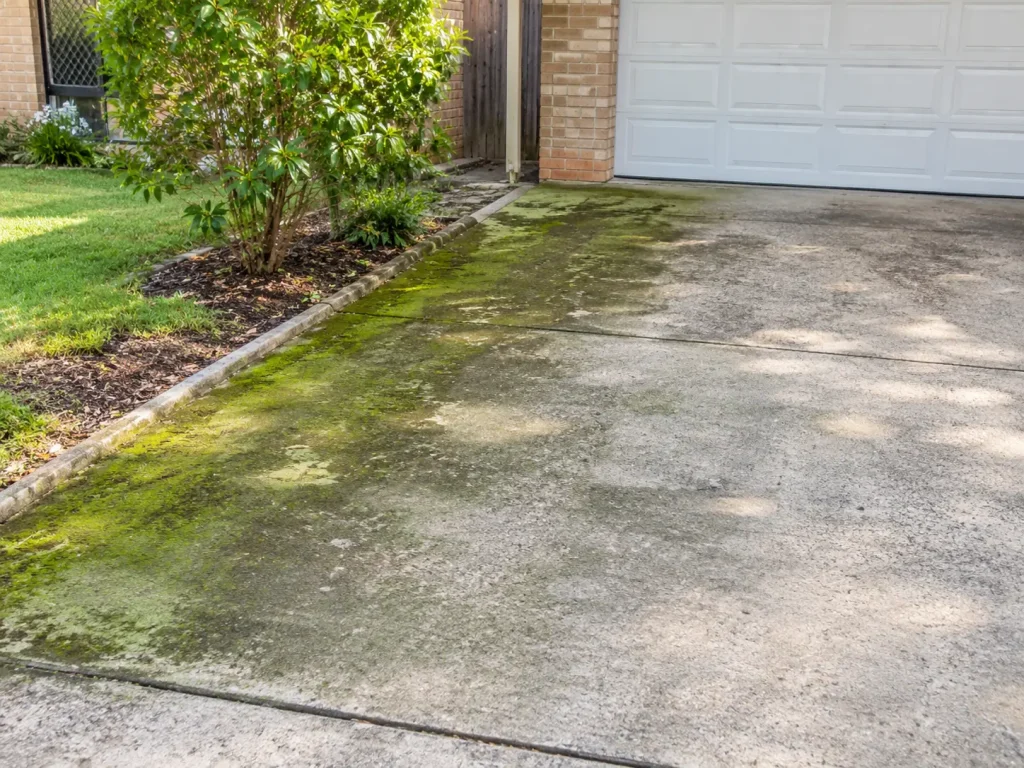
To a layperson’s eye, mould may look like a weird creature but actually it is the common stuff – like the plants that occur in nature. It reproduces wherever there’s constantly available moisture. What is more, the leaves which drop down naturally accumulate on driveways of this description and create a perfect environment for the growth of fungal species by keeping the surfaces of the concrete very wet for long enough. Green, black or dark patches may develop over time. Consistent driveway upkeep plays a big role in managing mold infestations. Being aware of the source of the dampness will definitely help with keeping the mold at a minimum.
| Common cause | Effect on driveway |
| Poor drainage | Keeps concrete damp |
| Heavy rainfall | Creates prolonged moisture |
| Shade | Slows surface drying |
| Fallen leaves | Traps moisture and debris |
| Dirt buildup | Encourages organic growth |
| High humidity | Supports mould development |
Prepare the Driveway First
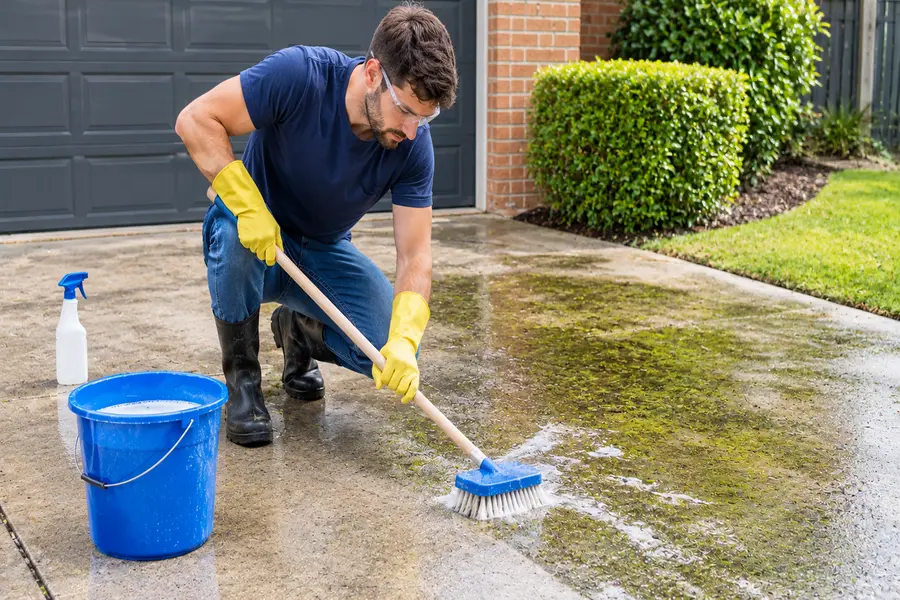
The proper preparation will increase safety and the effectiveness of the removal process. Start off by taking cars, patio furniture and other stuff out of the way. Make use of a strong outdoor broom and clean the whole driveway by sweeping. In the end, you will get the contaminated concrete surface open and ready. Put on the gloves, protective eye wear and footwear that you would consider suitable and safe while working. Look for any cracks or damage at the surface of the concrete. Damage already in place could be made worse by the cleaning. In case the driveway is coated with a decorative layer try to find out if there is any written procedure for cleaning it.
Choose a Safe Cleaning Solution
The size of the mould growth determines which cleaner is most suitable. For small patches, an outdoor mould and mildew remover may be sufficient. If you’re cleaning a concrete driveway in Brisbane, choose a product specifically labelled for concrete or masonry surfaces. Always dilute it according to the manufacturer’s instructions rather than using a stronger concentration. Before treating the entire driveway, test the product on a small, hidden area to check for possible staining, discolouration or surface damage.
| Cleaning method | Best suited for | Important consideration |
| Outdoor mould cleaner | Moderate mould | Follow label directions |
| Mild detergent | Light surface dirt | Scrub gently |
| Soft brush | Localised mould | Avoid excessive force |
| Pressure washer | Larger areas | Use controlled pressure |
Scrub Mould Without Harsh Force
After you have applied the cleaning agent, just wait for the dwell time. The product should not be allowed to dry out unless the label specifically says so. For infected sites use a stiff nylon brush. Overlap using gentle scrubbing actions. Focus your efforts on spots where the mould has been and those where dirt or organic material has built up over time. More than one treatment with a gentle cleaning agent is preferable for your safety to exposure to one treatment containing concentrated acid. Be sure to include joints, edges and any textured paving. Such little spaces can hold water and organic matter too. Once the fungi have been removed, just rinse the driveway with fresh water.
Use a Pressure Washer Carefully
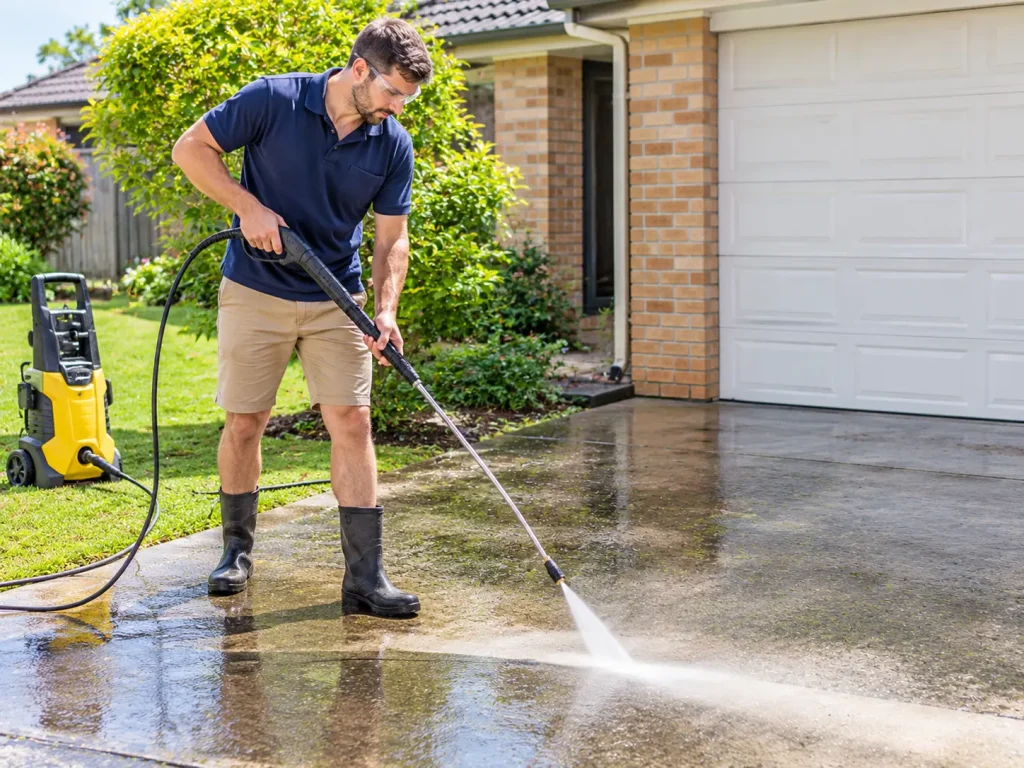
High-pressure cleaners work very well for driveway cleanliness and can be a timesaving tool. But too hard a pressure can hurt concrete very easily by knocking surface bits loose or scratching the spot. Also keep the spray gun at a fair distance to your surface. Don’t stay in one place and move your tool. Use the appropriate nozzle for outdoor concrete cleaning. This way, one won’t spray dirty water over clean surfaces. Pressure washing should assist mould removal not replace treatment. Using an appropriate mould cleaner first can help to loosen organic growth. The pressure washer can then assist in removing the residue. This method can minimize the requirement for high pressure.
Rinse and Dry the Surface
After scrubbing, washing the surface is extremely necessary for getting rid of mold on the patio. Don’t let the residual solution remain on the concrete surface. Wash the whole area with fresh water, so that all dirt is removed and the water does not get into the garden. A number of chemicals may prove poisonous to plants. Once the paving surface has fully air dried, do a close inspection for any signs that it may need further work. Some stains will become less prominent as the surface dries. If mould is still present repeat the relevant cleaning procedure. Do not immediately increase pressure or use stronger chemicals. In some cases of persistent growth, professional driveway cleaning may be necessary.
Prevent Future Mould Growth
Removing the current mould is only half the battle. Prevention can make a difference in preventing any chances of mould from coming back. Keep the driveway free of leaves, grass clippings and other organic debris. Clean the shaded regions on and off to prevent the growth of weeds. Check the drains are in good condition to allow them to effectively channel rainwater into the driveway. Keeping your external surfaces clean regularly can also prevent the build-up of organic waste. The weather conditions in Australia are mainly responsible for the growth of mould. The frequent rain and high humidity add to the level of moisture. So, even a small routine can be very helpful.
Avoid These Cleaning Mistakes
Sometimes, poor cleaning practices can result in a ruined surface or serious injury. Employing excessively high pressure is another everyday problem. The nozzle too close can make streaks. Another error is to apply the product in a concentrated state on the surface without reading the instructions. So when it comes to very hot weather where the manufacturer has advised not to clean the surface at that temperature, do as they say. The solution may dry too fast and form film. Don’t neglect your drainage issues either. A bit of mould may reclaim a clean driveway if there’s any moisture left holding. A professional cleaning service is a wise choice if the mould is extensive or very difficult to remove.
Conclusion
Learning safe ways to remove mould from your driveway helps preserve the appearance and condition of your concrete. Start by clearing away loose dirt and debris, then identify the possible source of moisture causing mould growth. Rinse off all cleaning products thoroughly and allow the surface to dry completely. Regular scrubbing, better drainage and improved airflow can also help prevent mould from returning. Just as how to get tea stain out of carpet quickly requires the right cleaning approach, driveway mould removal also depends on using suitable methods to avoid surface damage.
Frequently Asked Questions
1.Can vinegar remove mould from concrete?
Vinegar may help with some light organic growth. However, use a product specifically suitable for concrete when possible.
2. Can pressure washing damage concrete?
Yes, excessive pressure or incorrect technique can damage the concrete surface. Always use controlled pressure and a suitable nozzle.
3. How often should I clean driveway mould?
Clean mould when you notice early growth. Regular sweeping and seasonal maintenance can also reduce buildup.
4. How can I stop driveway mould returning?
Improve drainage, remove organic debris and increase sunlight where possible. Regular driveway cleaning can also help control mould growth.